How to Choose the Right Rectangle Tablecloth?

Time:2026-10-05 Author:Madeline
0%

Choosing the right Rectangle Tablecloth is more than matching a color to your dining room. It involves measurement, fabric behavior, table use, and the atmosphere you want to create. A cloth that looks elegant online may feel too stiff, slide during dinner, or collect crumbs along its edges.

Textile specialist Deborah Young explains, “Fabric choice should begin with how the table will be used, not only how it looks.” That practical view matters. A daily family table needs washable cotton or a durable blend. A formal dinner may suit linen, although linen wrinkles easily and demands more care. Outdoor tables need materials that resist moisture, fading, and sudden wind.

Measure carefully. Record the tabletop length and width, then add the desired drop on every side. A 10-inch drop often feels neat and relaxed. A 15-inch drop appears more formal. For a floor-length effect, check chair movement first. Small mistakes become obvious when guests sit down.

The table’s shape also deserves attention. A Rectangle Tablecloth should follow the table’s corners without creating bulky folds. Still, “perfect” is not always realistic. Thick seams, uneven legs, and soft fabric can change the final appearance. I have seen beautifully measured cloths look awkward because the material stretched after washing. That is easy to overlook.

Think beyond the photograph. Touch the fabric, inspect the hem, and confirm care instructions. Reliable sellers provide exact dimensions and fiber information. Your best choice balances appearance, comfort, maintenance, and honest expectations. That balance makes a table feel prepared, not decorated.
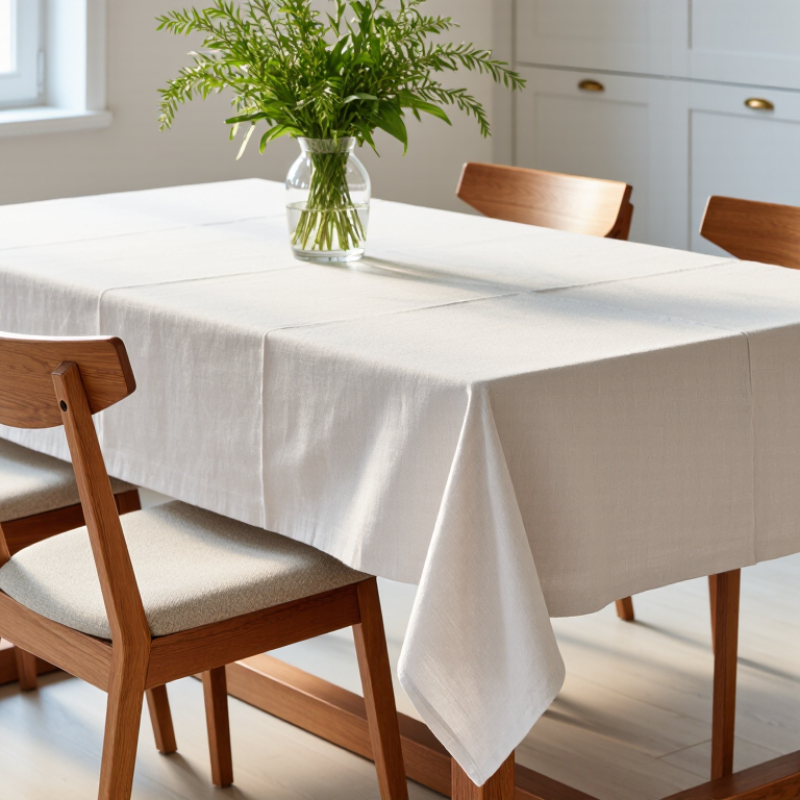
How to Choose the Right Rectangle Tablecloth?

Understand Table Dimensions and Desired Cloth Drop

How to Choose the Right Rectangle Tablecloth?

Understand Table Dimensions and Desired Cloth Drop

Choosing a rectangle tablecloth starts with accurate measurements, not guesswork. Measure the tabletop length and width from edge to edge. Then decide how far the fabric should hang on each side. This hanging length is called the cloth drop.

For everyday dining, a drop of 8 to 12 inches usually looks practical. It allows guests to sit comfortably without brushing against the fabric. For a more formal setting, 12 to 15 inches creates a softer, more polished appearance. Add twice the desired drop to both tabletop measurements. For example, a 60-by-36-inch table with a 10-inch drop needs a 80-by-56-inch cloth.

Check the corners.

I once chose a cloth by table size alone, and it looked noticeably short. The table had a thick edge, which changed the visual drop. Measure the table while it is in its usual position, including any removable leaves. Leave room for fabric shrinkage if the material is washable. Cotton and linen may change slightly after laundering, so inspect the care instructions carefully.

A quick trial can prevent disappointment. Drape a spare sheet over the table and mark the intended edge with clips. Sit down and check whether the fabric touches your knees or catches on chairs. If the drop feels awkward, adjust it before purchasing. Small measurement errors become obvious around a fully set table.

Choose the Right Tablecloth Shape and Fabric

Choosing the right rectangle tablecloth begins with matching the cloth shape to the table. Measure the tabletop length and width before shopping. A rectangular cloth should hang evenly on all four sides. For everyday dining, a drop of 20 to 30 centimeters usually feels practical. Formal settings may need a longer drop, even close to the floor. Too much fabric can look untidy. Too little can expose the table edges.

Fabric changes both appearance and daily maintenance. Cotton feels soft and creates a relaxed dining atmosphere, but it may wrinkle after washing. Linen offers a textured, elegant surface and improves with use. However, it can require careful ironing. Polyester resists stains and dries quickly, making it useful for busy homes or outdoor meals. Blended fabrics can balance softness and durability. I once chose a beautiful light fabric that showed every crumb. It looked perfect for ten minutes.

Tips: Check the care label before buying. Place a sample over the table if possible. Hold it near a window to see its true color. Choose a washable fabric for frequent meals. Dark shades hide marks, but they may show lint. For wooden tables, avoid a stiff cloth that slips easily. A fabric with slight weight usually stays in place better. There is no perfect choice for every room. Your routine matters more than a staged photograph.

How to Choose the Right Rectangle Tablecloth? - Choose the Right Tablecloth Shape and Fabric

Tablecloth Shape or Fabric Best Table Type Typical Characteristics Recommended Uses Care Considerations
Rectangle Rectangular or oval tables Follows the table's length and width; provides an even drop along the sides and ends. Dining rooms, banquet tables, buffets, conferences, and outdoor dining. Measure both table dimensions before selecting the cloth size.
Cotton Everyday indoor tables Soft, breathable, absorbent, and available in many weaves and patterns. Daily meals, family gatherings, and casual entertaining. Usually machine washable; may wrinkle and can shrink if washed or dried with excessive heat.
Linen Formal or naturally styled tables Lightweight, breathable, durable, and known for a relaxed textured appearance. Dinner parties, weddings, seasonal décor, and elegant home dining. Wrinkles easily; follow the care label and use low to medium ironing heat when needed.
Polyester High-use indoor or outdoor tables Durable, relatively wrinkle-resistant, quick-drying, and often more stain-resistant than absorbent natural fibers. Parties, catering, events, patios, and frequent-use dining areas. Generally easy to machine wash; avoid excessive heat unless the care label permits it.
Cotton-Polyester Blend Versatile dining tables Combines some of cotton's softness with polyester's durability and wrinkle resistance. Everyday dining, casual events, and households seeking easier maintenance. Care requirements vary by blend ratio; check the product label before washing or drying.
Oilcloth or Coated Fabric Mess-prone indoor and outdoor tables Surface coating helps repel spills and simplifies wiping; the material is less breathable than untreated fabric. Children's tables, kitchens, picnics, craft areas, and casual outdoor use. Wipe clean with mild soap and water; do not assume every coated fabric is suitable for machine washing.
Sizing formula: Tablecloth length = table length + (2 × desired drop); tablecloth width = table width + (2 × desired drop). A drop of approximately 20–30 cm per side is commonly used for dining tables, while longer drops create a more formal appearance.

Calculate the Ideal Tablecloth Size

How to Choose the Right Rectangle Tablecloth?

Calculate the Ideal Tablecloth Size

Measure the tabletop length and width before choosing a rectangle tablecloth. Use a firm tape measure, and record both numbers in inches or centimeters. The basic calculation is simple: table length plus twice the desired drop equals cloth length. Table width plus twice the drop equals cloth width. For everyday dining, a 10 to 12-inch drop usually looks balanced. A formal setting may need a longer 15 to 18-inch drop.

For example, a 60-by-36-inch table with a 12-inch drop needs an 84-by-60-inch tablecloth. Check the table height, too. The cloth should hang comfortably above the seats and floor. If your table has extensions, measure it fully opened. A cloth that fits the closed table may look undersized later. Leave extra room for a thick hem or slight fabric shrinkage. Natural fibers can change after washing, so follow the care instructions and allow a small margin.

Measure twice.

I once chose a cloth by visual judgment alone. It looked fine online but hung unevenly at one corner. That mistake taught me to measure the drop from several points, especially on older tables. Corners, rounded edges, and uneven floors can affect the final appearance. When between sizes, choosing slightly larger is usually safer. You can adjust the drop, but you cannot easily add missing fabric.

Match the Tablecloth to the Occasion and Table Setting

A rectangle tablecloth should reflect the occasion, not simply cover the table. For formal dinners, choose a smooth cloth with a controlled drop of 10 to 15 inches. This keeps chair movement comfortable and preserves a clean visual line. The Knot’s 2023 Real Weddings Study recorded an average of 115 wedding guests, so larger celebrations often need several coordinated tables rather than one oversized cloth. Matching napkins and restrained colors can make separate tables feel intentional.

For casual lunches, outdoor meals, or family gatherings, a shorter drop feels more practical. Cotton blends resist wrinkles, while heavier fabrics stay steadier when guests move around the table. I once selected a beautiful, long cloth for an outdoor dinner. It looked elegant, but the corners caught the wind repeatedly. That choice needed more testing. The U.S. Environmental Protection Agency reports that textiles make up about 17 million tons of municipal solid waste annually in the United States, with only a small portion recycled. Choosing washable, reusable cloths supports more responsible event planning. Check the table length, width, and seating arrangement before buying. A 60-inch by 36-inch table needs different proportions from a six-foot banquet table. The setting should feel welcoming, not crowded. Shorter drops may work better for children’s parties, while generous drops suit milestone dinners and ceremonial events.

Check Fit, Care Requirements, and Overall Appearance

How to Choose the Right Rectangle Tablecloth?

A well-fitted rectangle tablecloth begins with accurate measurements. Measure the tabletop’s length and width, then decide the preferred drop. For everyday dining, a 6- to 10-inch drop usually looks balanced. Formal settings may need a longer drop, but avoid fabric touching the floor. It can catch shoes and shift easily. I once chose a cloth by table size alone, and the corners barely covered the edges. That mistake taught me to measure twice, especially when the table has thick leaves or rounded corners.

Tips: Check the cloth’s finished measurements, not only its listed size. Place a measuring tape over the edge to picture the drop. Washable cotton or polyester blends can suit busy homes, while delicate fabrics need gentler care. Always read the care label before buying. Shrinkage is easy to overlook. Pre-washed fabric may still change slightly after repeated laundering.

Overall appearance depends on proportion, texture, and color. A smooth cloth creates a neat, structured setting, while woven texture adds warmth to plain dinnerware. Pale colors can brighten a small room, but they reveal spills quickly. Darker shades hide minor marks, though lint may show more clearly. Look at the cloth under your actual dining-room lighting. Online images can mislead. Also inspect the hem; straight stitching and even corners often signal better construction. A small mismatch between the cloth and chairs may be acceptable, but uneven coverage usually looks accidental.

FAQS

How do I measure a rectangle tablecloth?

Measure the tabletop length and width with a firm tape measure. Add twice the desired drop to each measurement. For example, a 60-by-36-inch table with a 12-inch drop needs an 84-by-60-inch cloth. Measure twice. It prevents uneven corners.

How much should a tablecloth hang over the table?

A 10-to-12-inch drop usually suits everyday dining. Formal meals may need a 15-to-18-inch drop. Measure the hanging length from several points. Older tables and uneven floors can change the appearance. Too much fabric may look messy.

Should I choose a larger size when measurements fall between options?

Slightly larger is usually safer. You can adjust extra fabric more easily than missing fabric. Leave room for a thick hem and possible shrinkage. Natural fibers may change after washing. Still, larger is not always better.

Which fabric works best for frequent family meals?

Washable cotton blends offer softness and reasonable durability. Polyester dries quickly and resists many stains. Heavier fabric often stays steadier when people move around. Check the care label before buying. Daily life matters more than a perfect display.

What are the advantages and drawbacks of cotton and linen?

Cotton feels soft and creates a relaxed dining atmosphere. It may wrinkle after washing. Linen has a textured, elegant surface and becomes softer with use. It can require careful ironing. I would not choose linen for every rushed meal.

How can I select a tablecloth for outdoor dining?

Choose a shorter drop for outdoor meals. Wind can catch long corners and pull the cloth repeatedly. A slightly heavier fabric may stay in place better. Test the cloth outside before hosting guests. Looks can mislead.

How should a tablecloth match a formal or casual occasion?

Use a smooth cloth and controlled drop for formal dinners. Restrained colors can create a clean, coordinated setting. Casual lunches suit shorter drops and easier-care fabrics. Children’s gatherings may need practical lengths above the floor. Comfort should remain visible.

What should I check before buying a tablecloth online?

Compare the listed size with your fully measured table. Include extensions if the table will be opened. Hold a fabric sample near a window when possible. Natural light reveals its true color. Online images are not reliable enough alone.

How can I choose a more reusable tablecloth?

Select a washable fabric for frequent meals and repeated events. Reusable cloths can reduce dependence on disposable coverings. Dark shades hide some marks but may reveal lint. A light fabric may show every crumb quickly. Mine did.

Conclusion

Choosing the right Rectangle Tablecloth begins with understanding your table’s length, width, and height, as well as the amount of cloth drop you prefer. Measure the tabletop carefully and decide whether you want a short, casual overhang or a longer, more elegant drape. The table’s shape should guide your selection, while the fabric should match your desired balance of appearance, durability, texture, and ease of maintenance.

To calculate the ideal tablecloth size, add twice the preferred drop length to both the table’s length and width. Consider the occasion and table setting as well: lighter fabrics and simple colors may suit everyday meals, while refined textures or formal shades can create a more polished atmosphere. Before making a final choice, check that the cloth fits evenly, is practical to wash and store, and complements the surrounding décor without looking too loose, short, or overwhelming.


Madeline

Madeline

Madeline is a dedicated marketing professional with a wealth of expertise in our company's core offerings. With a keen understanding of the industry, she brings a unique perspective to her role, consistently delivering high-quality content that highlights the superior aspects of our products. As......